Guide · 5 min read
Leather vs Rubber vs NATO Straps: Which Is Best?
Three families, three jobs. A short, honest breakdown of which strap belongs on which watch.
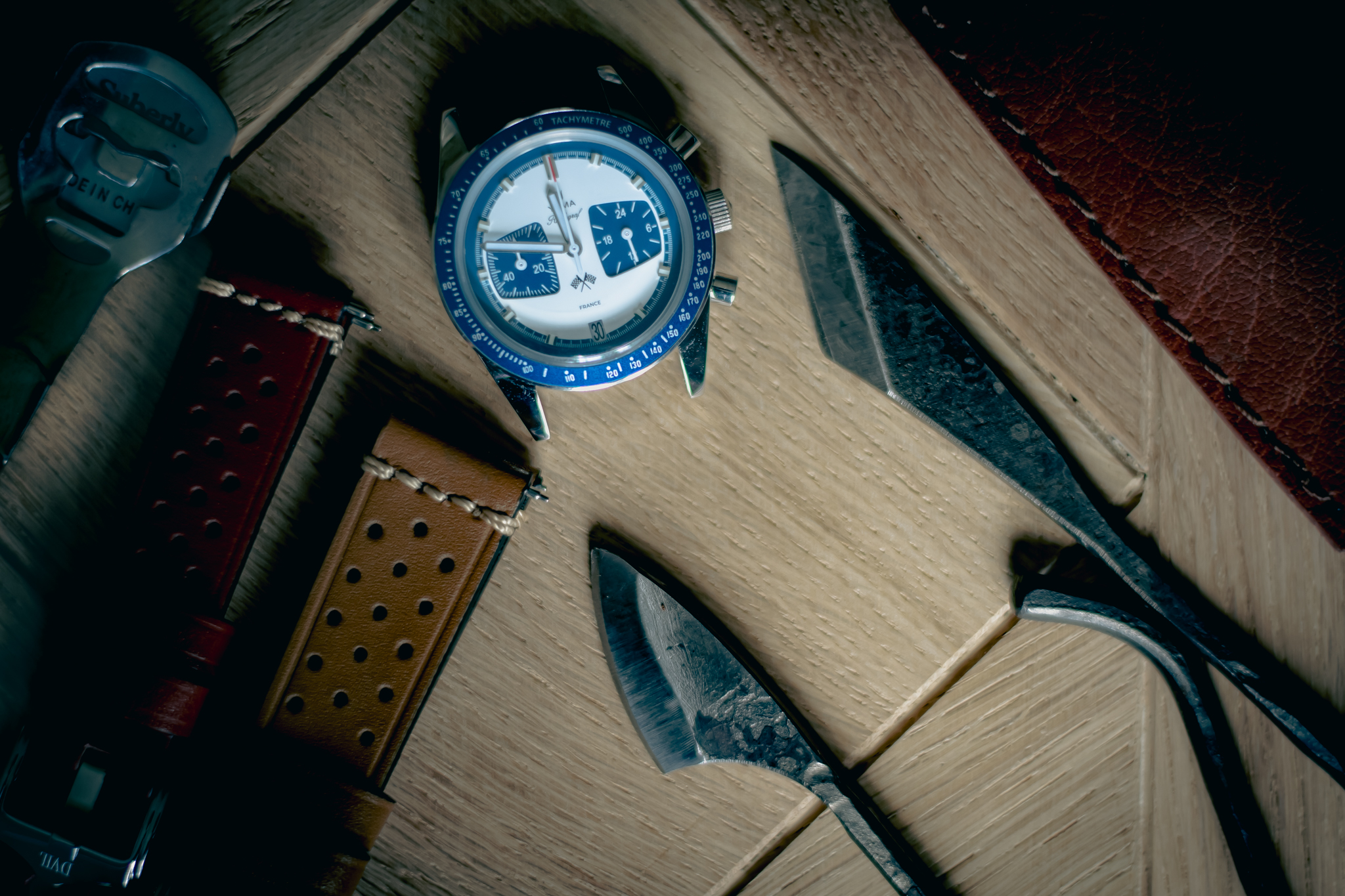
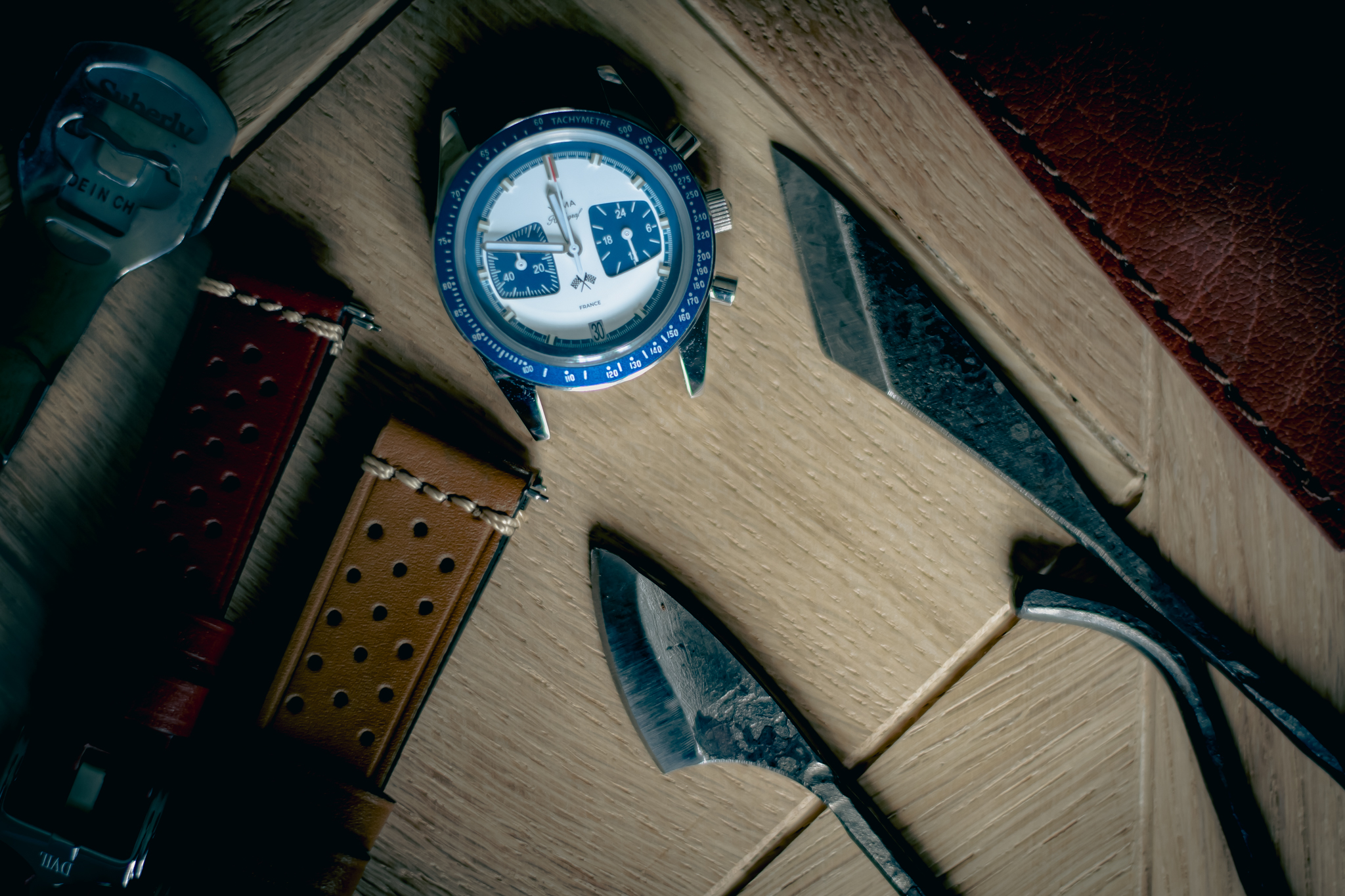
Ask a hundred collectors which strap is best and you will get a hundred answers. The truth is simpler: each material does one job better than the other two.
Leather: character and dress
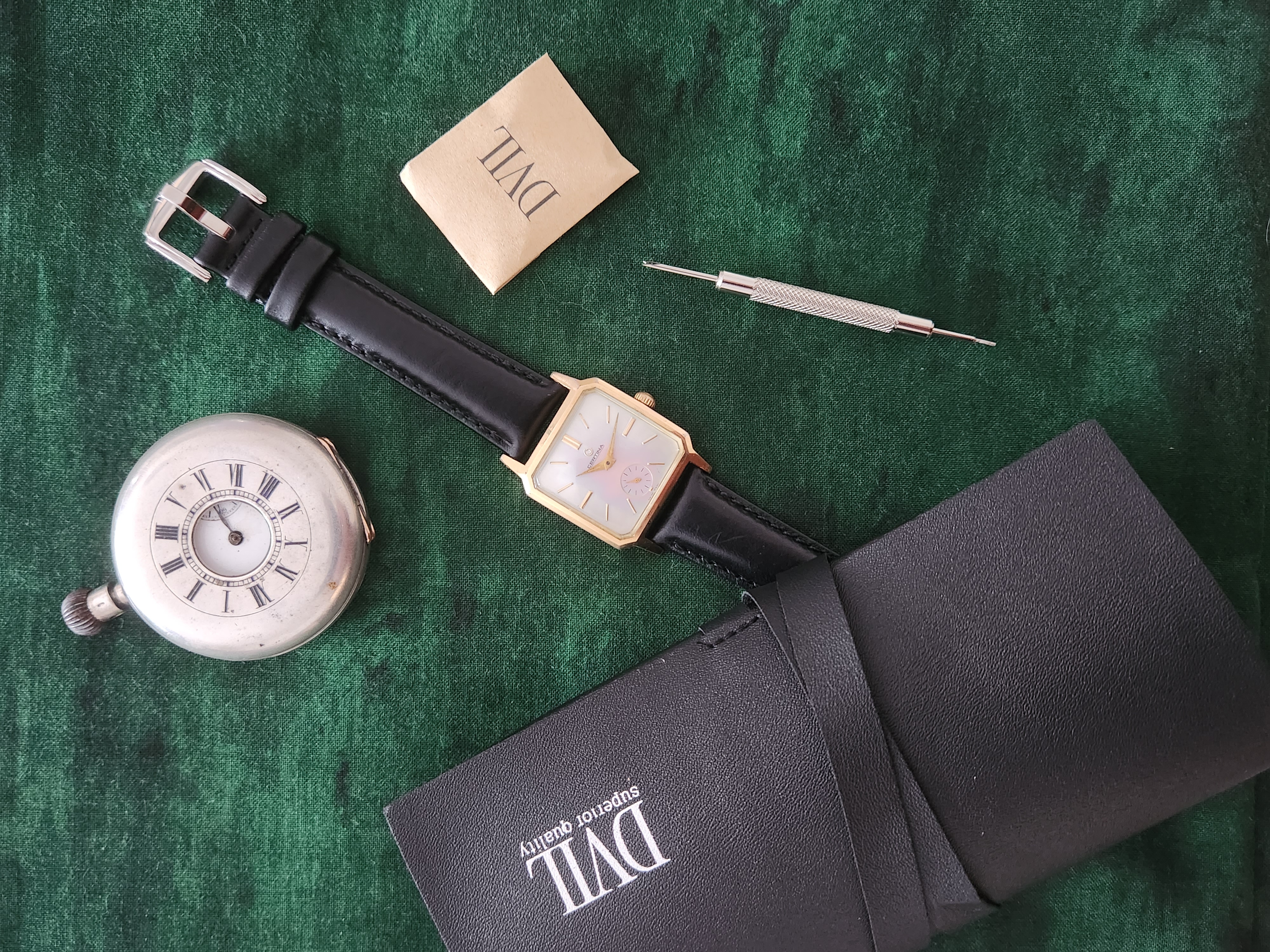
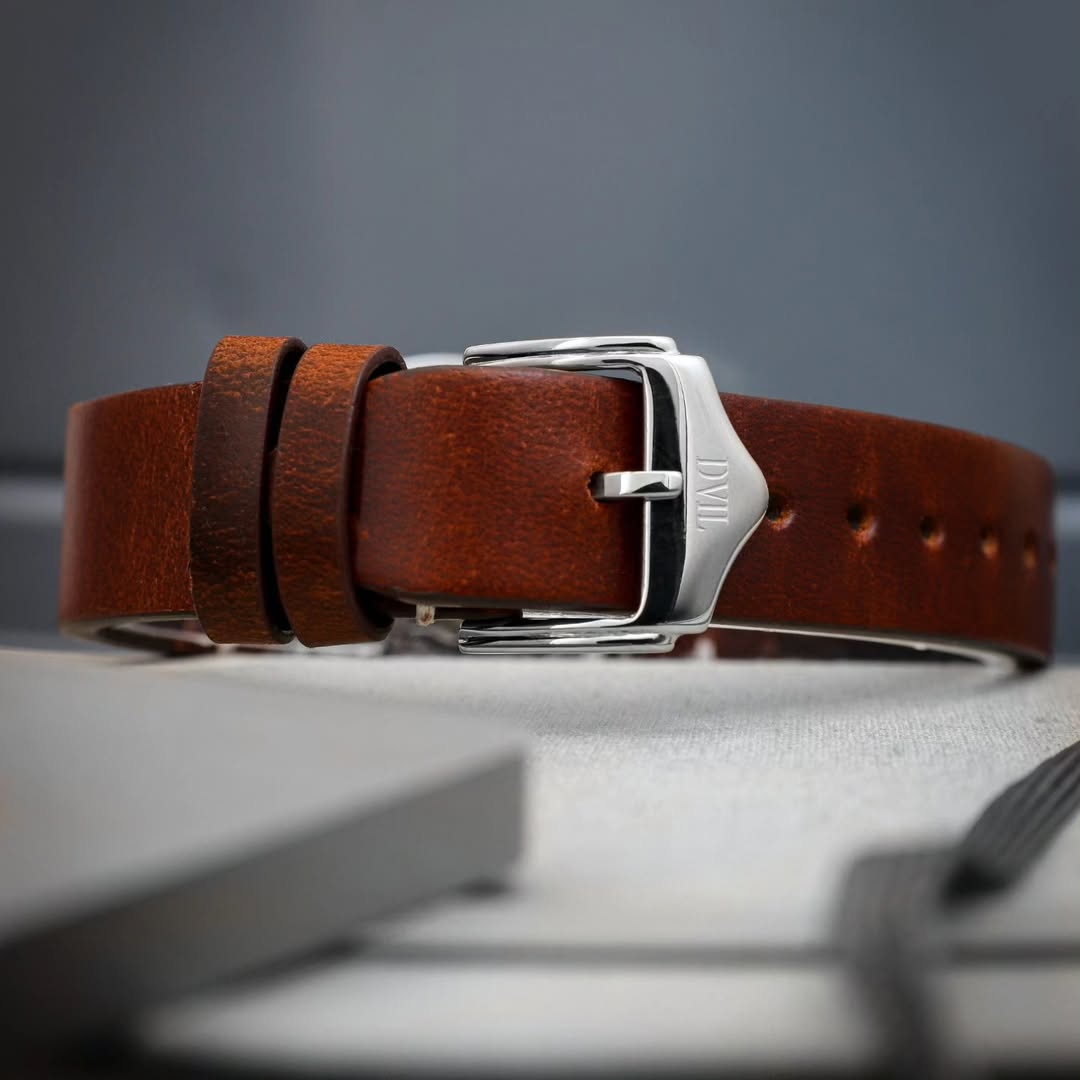
Leather is the only strap material that improves with age. It moulds to the wrist, darkens in the sun, and picks up scratches that read as patina rather than damage. It is the obvious choice for dress, vintage and most everyday watches. The trade-off is water - leather hates it. A soaking will not destroy a good strap, but repeated wetting will.
Rubber: heat, sweat, sea
Rubber is bulletproof for active wear. It shrugs off salt water, sweat and sunscreen, dries instantly, and never smells if you rinse it. The aesthetic is sporty by default - best paired with divers, chronos and tool watches. Slim FKM rubber straps now dress up better than they used to, but rubber on a dress watch still reads as casual.
NATO and two-piece fabric: cheap thrills, military soul
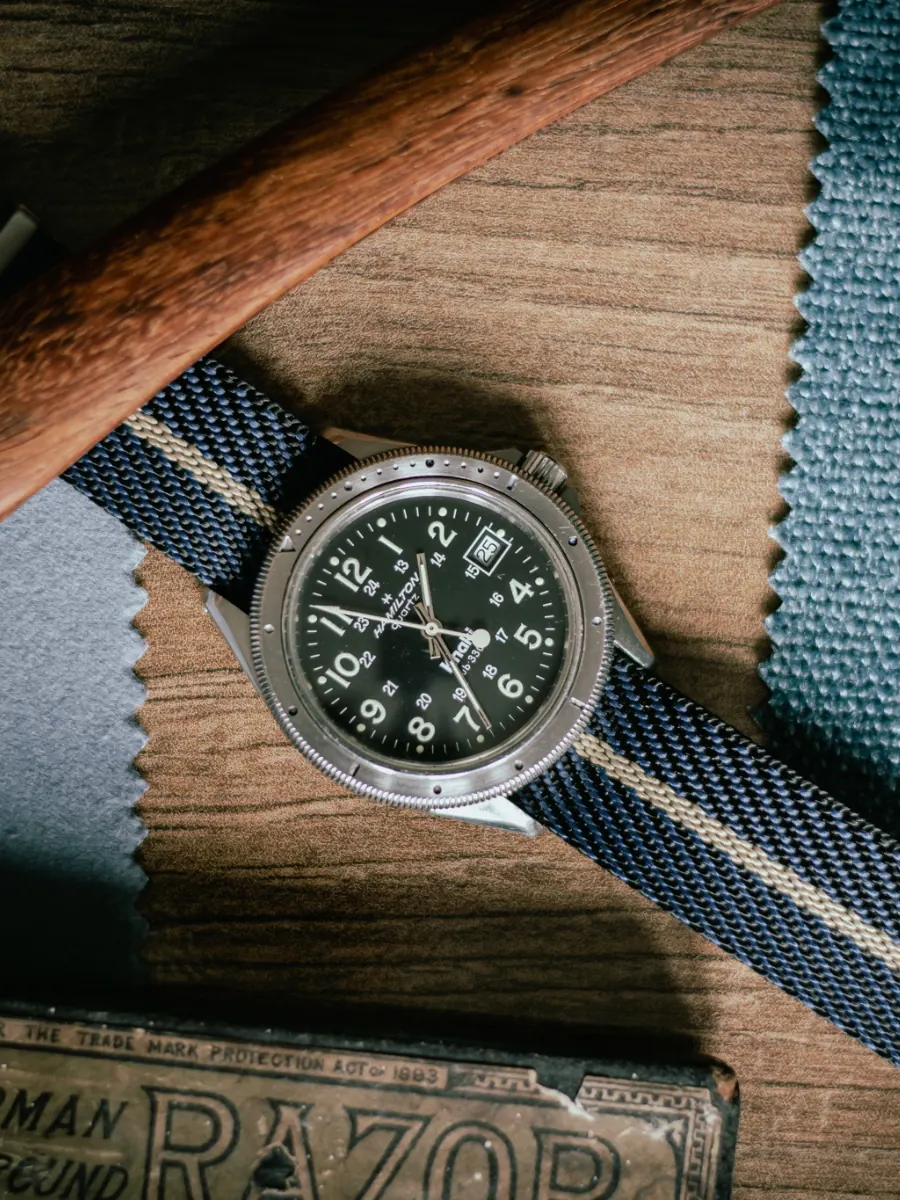
Nato is the easiest strap to swap and the safest if a spring bar fails. The watch sits a touch higher off the wrist (because the strap passes underneath the case) which helps a small watch wear larger. It is the right answer for field watches, vintage divers, and anything you might take swimming. Fabric is also the lightest of the three by a wide margin.
How to choose in one sentence
Leather for character, rubber for water, nato for play. Most collectors own one of each.