Care · 6 min read
How to Clean and Maintain Leather Watch Straps: A Complete Care Guide
Five minutes a month and your strap will outlast the watch. The right cleaner, the right rhythm, and how to care for Italian Suede, Crazy Horse, and Shell Cordovan.
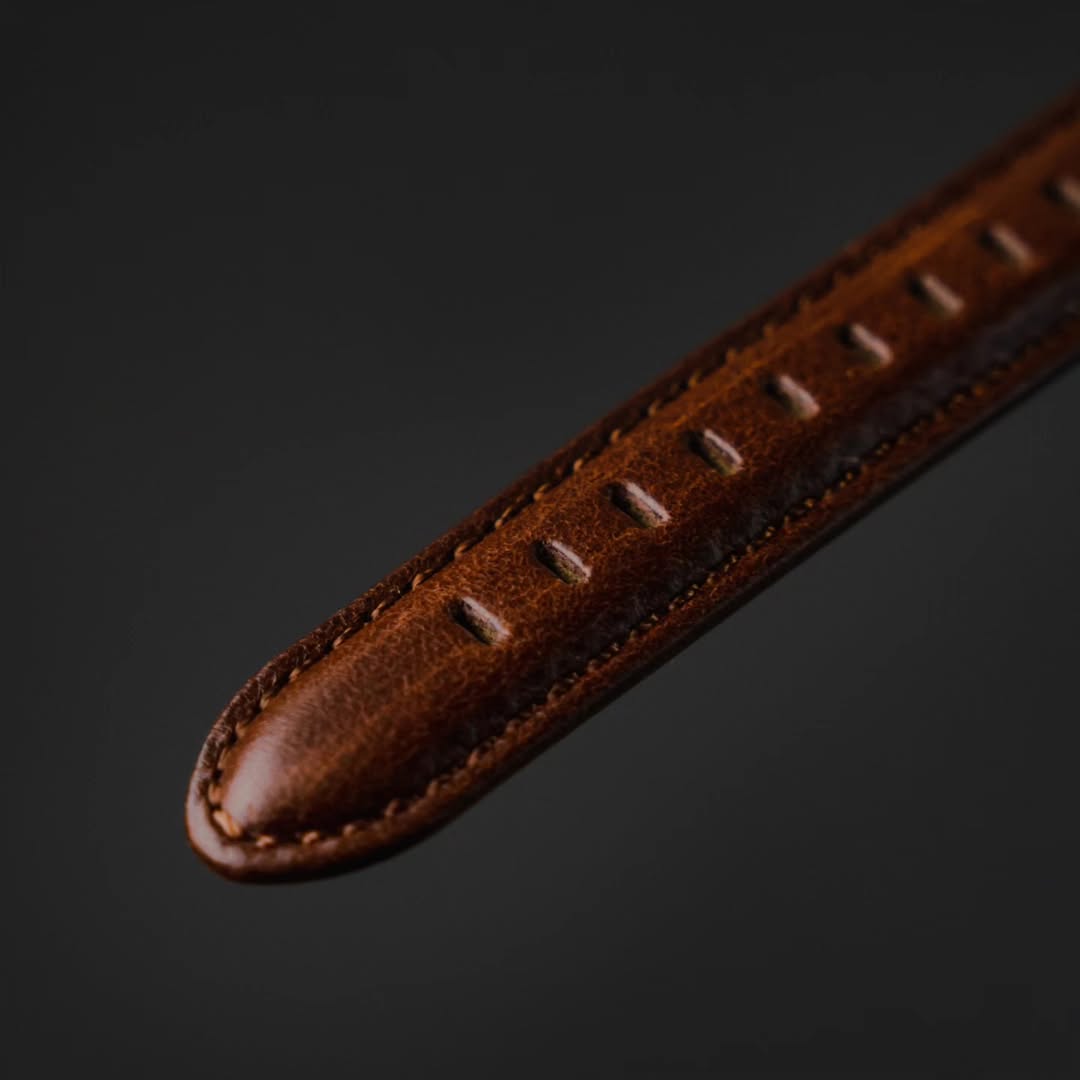
Leather is skin. Treat it like your own and it stays supple for years. Treat it like rubber and it cracks. The good news: five minutes of care a month is all most straps need. The better news: each type of leather in the DVIL collection asks for something slightly different, and learning the difference is what keeps a strap looking new for years.
The universal cleaning kit
Before we get into leather-specific care, here is the kit that works for every strap in your collection.
- A soft microfibre cloth (two of them: one for cleaning, one for drying)
- A bowl of lukewarm water
- Mild pH-neutral soap (saddle soap or dedicated leather cleaner, never washing-up liquid)
- A soft horsehair brush for suede and napped leathers
- A quality leather conditioner (Saphir Renovateur or similar) for smooth leathers
- Cedar blocks or a breathable dust bag for storage
The five-minute routine that works for every leather
- Remove the strap from the watch so water and cleaner never reach the case.
- Wipe the strap down with a dry cloth to lift loose dust and skin oils.
- Dampen the cloth (never soak it) and add a tiny amount of soap.
- Work in small, gentle circles along the top and edges. Do not scrub.
- Wipe clean with a fresh damp cloth, then dry with a dry one.
- Let it air-dry for at least 30 minutes away from radiators, sunlight, and hair dryers.
Italian Suede: brush, don't rub
Italian suede straps are napped leathers with a soft, velvety surface. Water and pressure are their enemies. If you rub suede when it is wet, you mat the nap permanently and create dark, flat patches that never recover.
- Dry clean only. A soft horsehair brush lifted dirt out of the nap without flattening it.
- For marks: use a suede eraser (or a clean white rubber eraser) and work gently in one direction.
- Never use water or soap directly on suede. If it gets wet, stuff it with tissue and let it dry naturally. The nap will spring back.
- Once dry, brush lightly with the grain to restore the texture.
- Store suede straps flat or rolled, never folded, to avoid creasing the nap.
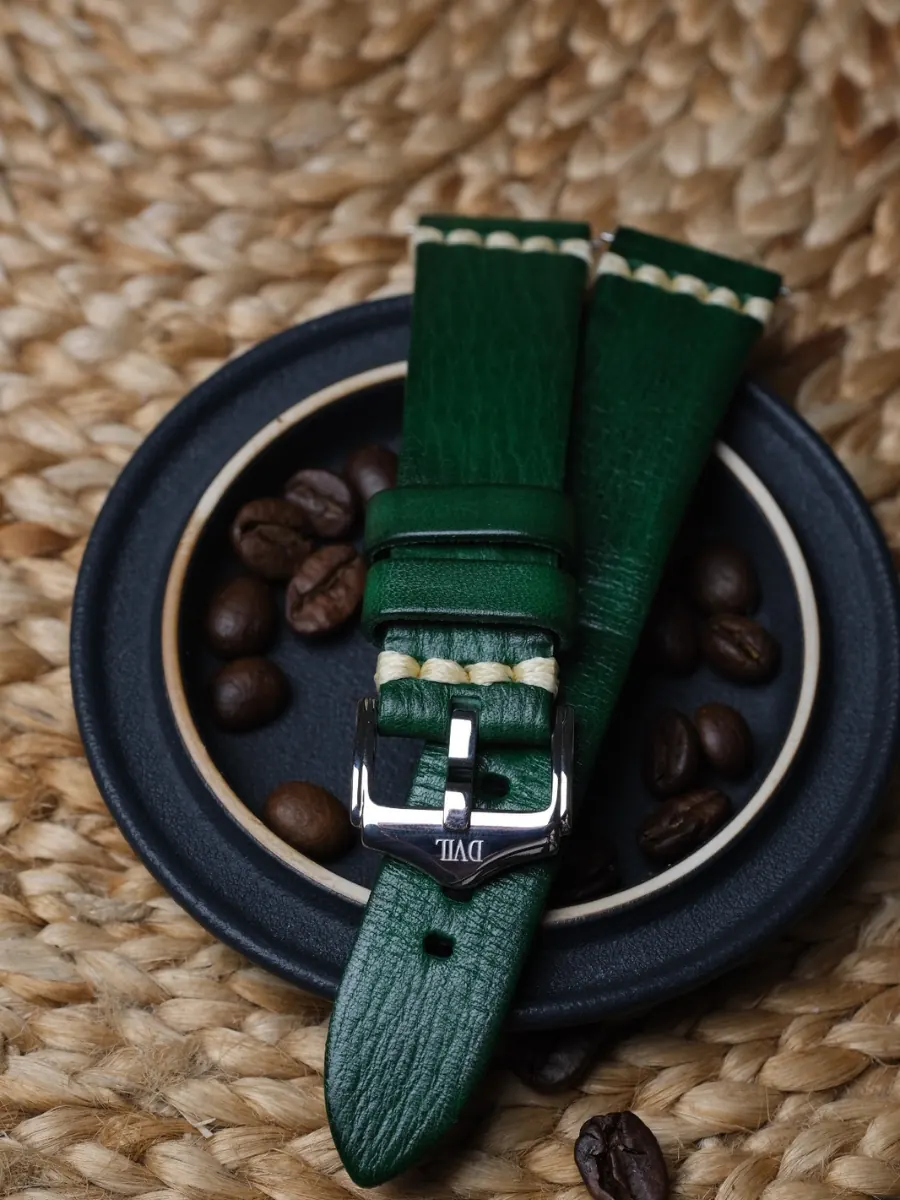
Crazy Horse: scuffs are the point
Crazy Horse leather is hot-stuffed with waxes and oils. It is designed to scuff, lighten, and develop character. Most of the time, you do not clean Crazy Horse, you restore it.
- Light scuffs and scratches: rub them out with a clean finger or soft cloth. The oils in your hand and the heat of friction blend the wax back into the surface.
- Dirt and grime: use a barely-damp cloth with a trace of saddle soap, then buff dry immediately.
- Heavy soiling: a soft brush and a tiny amount of leather cleaner work in circular motions, then buff.
- Never soak Crazy Horse. If it gets properly wet, blot (do not rub) and let it dry slowly. The wax will redistribute as it dries.
- Conditioning is rarely needed; the wax content is self-maintaining.
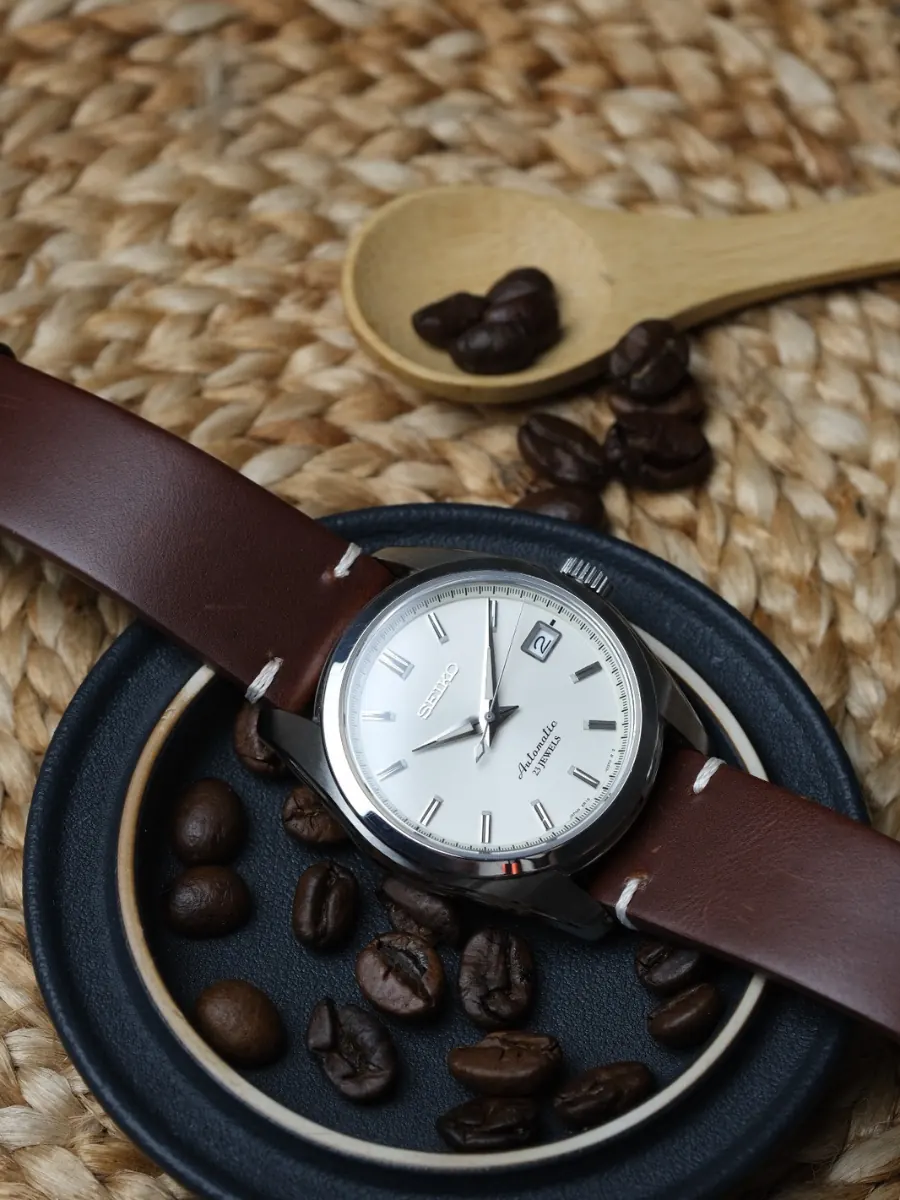
Shell Cordovan: the long game
Shell Cordovan is the densest, most water-resistant leather you can put on a watch. It is also the most expensive, which means the stakes are higher when something goes wrong. The good news: almost nothing goes wrong if you leave it alone.
- Shell Cordovan rarely needs cleaning. A quick wipe with a dry cloth once a month is usually enough.
- If it needs more: damp cloth, no soap, immediate dry. The surface is non-porous so dirt sits on top rather than soaking in.
- Conditioning: once every three to four months, a tiny amount of cordovan cream or neutral leather conditioner. Work it in with a cloth, let it sit for ten minutes, then buff.
- Never use alcohol, acetone, or leather wipes. Shell is tough but not invincible. Chemicals strip the glaze.
- Water exposure: blot, air-dry, then brush lightly with a soft cloth. The dense fibre structure sheds water better than any other strap leather.
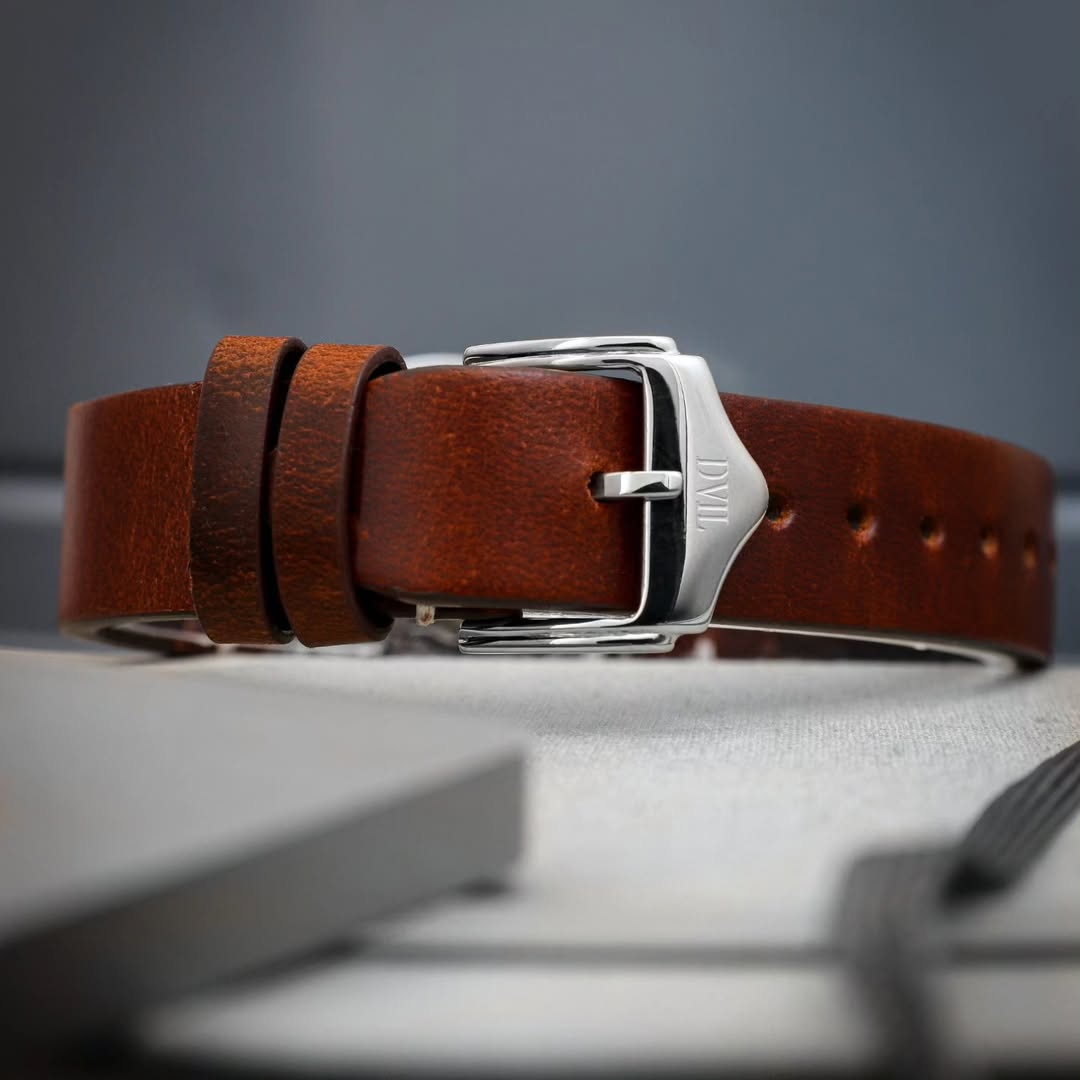
Conditioning: when and how
Conditioning replaces the natural oils that wrist-wear strips out. Do it too often and the leather turns greasy; too rarely and it dries and cracks. Here is the rhythm:
- Smooth leathers (classic calf, cordovan): every two to three months
- Waxed leathers (Crazy Horse): every four to six months, or when it starts to look dry rather than lived-in
- Suede: do not condition. Brush instead.
- Apply a pea-sized amount to the top surface with your fingers or a cloth. Let it sit for ten minutes, then buff with a dry cloth.
What to avoid on every leather
- Alcohol wipes: they strip oils and dry leather out in seconds
- Leather wipes for car interiors: loaded with silicone that seals the surface and stops it breathing
- Hair dryers and radiators: heat shrinks and hardens leather fibre
- Direct sunlight for long periods: UV fades colour and embrittles the surface
- Soaking any leather strap on purpose: if it gets wet, blot and dry slowly
A strap that is cleaned monthly and conditioned quarterly will outlast the watch it is on. Neglect is the only real enemy.
Storage between wears
If you rotate straps, store them flat in a cool, dry place. Cedar blocks keep moths away and absorb moisture. Never seal leather in plastic. It needs to breathe. A simple cotton dust bag is the best home a strap can have.
That is the whole job. Five minutes a month, the right product for the right leather, and a little patience. Do that and a DVIL strap will not just last, it will get better.